Why Abraham Challenged God?
In the biblical narrative of Genesis 18:23-33, Abraham emerges as a profound figure of intercession, engaging in a bold yet humble dialogue with God concerning the fate of Sodom and Gomorrah. This passage, rich in theological and ethical implications, showcases Abraham’s appeal to God’s righteousness and justice, revealing not only his character but also foundational concepts that resonate through Jewish and Christian traditions. The dialogue, centered on Abraham’s plea to spare the cities for the sake of the righteous, introduces themes of divine mercy, human frailty, and the often overlooked, redemptive power of a righteous minority.
The Context of the Dialogue
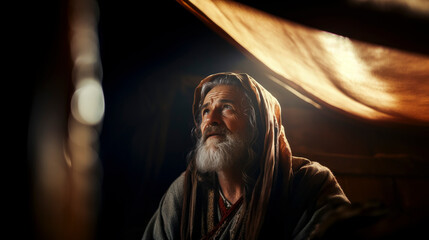
The narrative unfolds as Abraham, having discerned the divine nature of his three visitors, stands before God to intercede for Sodom, a city facing imminent judgment due to its pervasive wickedness. Genesis 18:23–33 records Abraham’s audacious yet reverent conversation with God, where he questions whether the Lord would destroy the righteous alongside the wicked. This moment is not merely a negotiation but a theological exploration of God’s character as the “Judge of all the earth” (Gen. 18:25). Abraham’s plea is rooted in his understanding of divine justice, which precludes the indiscriminate punishment of the innocent with the guilty.
The Hebrew phrase חָלִלָה לְּךָ (chalilah lekha), translated as “far be it from you” in Genesis 18:25, is a powerful expression of protest. It conveys a sense of disbelief that God would act contrary to His own nature. All possible translations of this phrase (“may it never be,” “far be it from You,” or “God forbid”) underscore Abraham’s conviction that God is the just judge of the earth. In the text, Abraham declares:
חָלִלָה לְּךָ מֵעֲשֹׂת כַּדָּבָר הַזֶּה לְהָמִית צַדִּיק עִם־רָשָׁע וְהָיָה כַצַּדִּיק כָּרָשָׁע חָלִלָה לָּךְ הֲשֹׁפֵט כָּל־הָאָרֶץ לֹא יַעֲשֶׂה מִשְׁפָּט
“Far be it from You to do such a thing, to bring death upon the innocent as well as the guilty, so that innocent and guilty fare alike. Far be it from You! “Will the Judge of all the earth not act justly?” (Gen. 18:25)
This rhetorical question establishes the moral framework for the dialogue, positioning God as the ultimate arbiter of justice whose actions must align with His righteous character. Abraham’s use of חָלִלָה לְּךָ (chalilah lekha) is not a challenge to God’s authority but an appeal to His integrity, urging Him (in fact demanding!) to act in accordance with His nature. He refused to believe otherwise.
Abraham’s Humility and Typological Connection to Adam
As the dialogue progresses, Abraham acknowledges his own lowly status, describing himself as אָנֹכִי עָפָר וָאֵפֶר (anokhi afar ve-efer), translated as “dust and ashes” (Gen. 18:27). This phrase is significant, connecting Abraham to the creation of Adam in Genesis 2:7, where God forms humanity from the dust of the earth:
וַיִּיצֶר יהוה אֱלֹהִים אֶת־הָאָדָם עָפָר מִן־הָאֲדָמָה
“And the LORD God formed man from the עָפָר (afar) dust of the earth.” (Gen. 2:7)
By invoking this imagery, Abraham emphasizes his humility and mortality, recognizing his place as a created being before the Creator. This self-description is not just rhetoric but a theological statement that aligns Abraham with Adam. Like Adam, Abraham is a representative figure, standing in the gap for others and embodying humanity’s dependence on divine grace. His humility is evident as he ventures to speak to God, saying,
הִנֵּה־נָא הוֹאַלְתִּי לְדַבֵּר אֶל־אֲדֹנָי וְאָנֹכִי עָפָר וָאֵפֶר
“Here I venture to speak to my Lord, I who am but dust and ashes.” (Gen. 18:27)
This balance of humility and audacity reflects Abraham’s deep faith in God’s good character and his willingness to engage with divine justice on behalf of others. His connection to Adam underscores his role as an intercessor, advocating for the preservation of a community, much as Adam was tasked with stewarding creation.
The Theology of the Righteous Minority
Central to Abraham’s intercession is the revolutionary idea that a righteous minority can effect deliverance for the unrighteous majority. Rather than requesting that the righteous be spared and the wicked punished, Abraham pleads for the whole city to be preserved for the sake of the righteous few within it. In Genesis 18:26 we read:
וַיֹּאמֶר יהוה אִם־אֶמְצָא בִסְדֹם חֲמִשִּׁים צַדִּיקִם בְּתוֹךְ הָעִיר וְנָשָׂאתִי לְכָל־הַמָּקוֹם בַּעֲבוּרָם
“And the LORD answered, ‘If I find within the city of Sodom fifty innocent ones, I will forgive the whole place for their sake.’” (Gen. 18:26)
Abraham’s challenge to God continues as he incrementally lowers the number of righteous individuals needed to spare Sodom, from fifty to forty-five, then forty, thirty, twenty, and finally ten (Gen. 18:28–32):
אוּלַי יַחְסְרוּן חֲמִשִּׁים הַצַּדִּיקִם חֲמִשָּׁה הֲתַשְׁחִית בַּחֲמִשָּׁה אֶת־כָּל־הָעִיר וַיֹּאמֶר לֹא אַשְׁחִית אִם־אֶמְצָא שָׁם אַרְבָּעִים וַחֲמִשָּׁה
“What if the fifty innocent should lack five? Will You destroy the whole city for want of the five?’ And He answered, ‘I will not destroy if I find forty-five there.’” (Gen. 18:28)
Each step reflects Abraham’s persistent hope that even a small number of righteous people would be enough to redeem the whole city. This progression gave rise to the Jewish concepts of the merits of the fathers (Abraham, Isaac, and Jacob) and the minyan, the quorum of ten men required for certain communal prayers. The idea is that a small group of righteous individuals can represent and sustain a community before God, echoing Abraham’s plea for Sodom. The New Testament affirms this Jewish concept of a righteous minority.
“A righteous man’s effectual fervent prayer availeth much.” (James 5:16, KJV)
Yet, the narrative also reveals the limits of Abraham’s intercession. Despite his pleas, Sodom is ultimately destroyed because not even ten righteous people are found (Gen. 19). This outcome does not negate Abraham’s intercession but underscores the reality of human sinfulness and the necessity of divine judgment when righteousness is absent. The destruction of Sodom serves as a sobering reminder that while God is merciful, His justice cannot be compromised when wickedness prevails.
Jesus as a righteous community of one
The supreme example of the merits and intercessory power of a righteous minority is Jesus Christ. His perfect righteousness enabled Him to offer Himself as a sacrifice before God, creating a new and living path for sinners to be reconciled with the Father. Through His selfless act, Christ demonstrated the profound impact of one righteousness’ intercession, bridging the gap between humanity and divine acceptance. His sacrifice not only atoned for sin but also established a way for all to access God’s grace, showcasing the unparalleled power of His righteousness.
Conclusion
In Genesis 18, Abraham dares to stand before the Holy One and plead for a city drowning in darkness. He asks the question that will always be asked: “Will not the Judge of all the earth do right?” His voice shakes, but his faith is strong. And in that holy conversation, a stunning truth comes to light: God is willing to save an entire people for the sake of even a few good people.
Abraham discovers what grace would later unveil in fullness: the few can rescue the many, the faithful can carry the fallen, and one single life wholly surrendered to God can become the turning point of history.
That one life arrived in Jesus. Where ten could not be found in Sodom, One stood perfect, sinless, and all-sufficient. On the cross, the Righteous One bore the judgment that a thousand cities deserved, and in rising, He opened wide the gates of mercy. Because of Him, no community need ever fear that its righteous are too few—Christ Himself is the Righteous Community of One whose intercession never fails.
So take heart. Even in a world that often feels on the verge of collapse, the promise remains: God listens to the cries of the righteous, His heart is stirred by faithful intercession, and His power is unleashed through even the smallest remnant who will stand in the gap. Your prayers matter. Your holiness counts. Your faith has the power to influence the outcome.
The story is not finished. Mercy still triumphs. And because Jesus lives to intercede, hope remains—radiant, unconquerable, and gloriously alive.
What's Your Reaction?