Origin of the Solemnity of All Saints

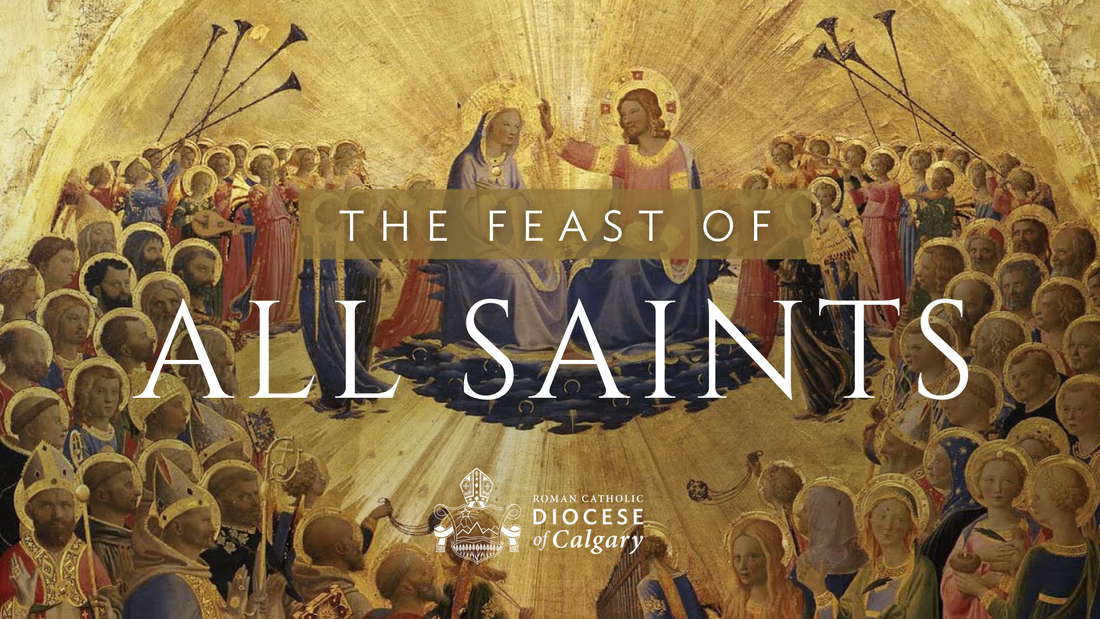
The origin of the Solemnity of All Saints can be traced back to May 13, 609, when Pope St. Boniface IV brought some 18 chariots to the entrance of a Roman catacomb and escorted the bones of the martyrs to the Pantheon. On that day, the pagan temple dedicated to all the gods of Rome was rededicated as Santa Maria ad Martyres in honor of the Blessed Virgin Mary and all the martyrs. Legend has it that when the Christians entered the Pantheon for the first time that day, seven demons fled from inside. This momentous occasion was celebrated on its May 13th anniversary each year until 732, when Pope Gregory III dedicated a chapel in St. Peter’s Basilica to All Saints and designated their feast to be commemorated on November 1.
When we say All Saints, that includes Saints ‘known’ - that is, those who the Church has canonized - as well as all those who are ‘unknown’ - those who have come into the joy of the Father but have not been officially recognized as a Saint with a feast day on the liturgical calendar. This would include, hopefully, members of our family and friends who have gone on to their reward.
Dom Prosper Gueranger writes:
The Feast of All Saints is celebrated the day before we piously remember those who have died and still await the day when they will join the company of Saints in Heaven. The Commemoration of All the Faithful Departed (aka All Souls’ Day) then ushers in an entire month that we dedicate in the Church to praying for the souls in Purgatory. It serves not only as a reminder of the importance of our prayers for their perseverance, but also as a reminder that we, too, will die one day and face judgment. May we all persevere and reach our ultimate goal!
Again, Gueranger:
All you holy men and women, ora pro nobis!
What's Your Reaction?